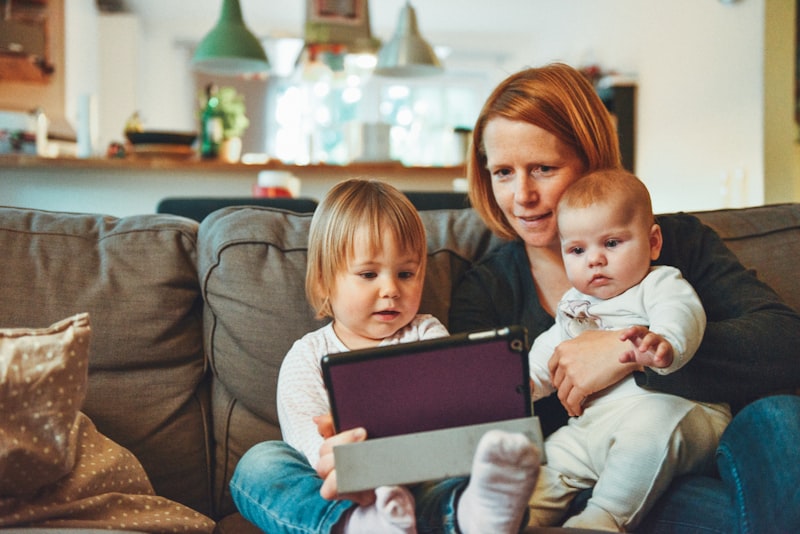
Imagine a scenario where your child is so worried about speaking up in class that they feel physically sick; this is not uncommon among anxious children who struggle with self-esteem and confidence. As a parent, it’s natural to want to help them overcome these challenges and thrive in their daily lives.
Anxiety can manifest differently in each child, but common signs include excessive worry, fear of making mistakes, or avoiding social situations altogether. This apprehension often stems from an underlying lack of confidence, which can be detrimental to a child’s emotional health and overall development. Building resilience and self-assurance is crucial for children as they navigate the world around them.
Confidence plays a pivotal role in helping anxious children manage their fears and anxieties more effectively. When kids believe in themselves and their capabilities, they are better equipped to handle stressful situations, form positive relationships, and achieve personal goals. By focusing on strategies that build confidence, parents can provide a strong foundation for their child’s emotional well-being.
What Childhood Anxiety Looks Like & Why Confidence Matters
Childhood anxiety is characterized by excessive fear and worry that can significantly interfere with daily activities such as school attendance, socializing, or engaging in hobbies. It often manifests in physical symptoms like headaches, stomachaches, fatigue, or difficulty sleeping. Behaviorally, anxious children may avoid situations they perceive as threatening, cry easily, have trouble concentrating, or exhibit increased irritability.
Confidence is vital because it acts as a protective factor against anxiety. Children who believe in their abilities tend to approach challenges with optimism rather than fear. They are more likely to engage in new experiences and learn from them, which helps build resilience over time. Conversely, low confidence can exacerbate anxiety symptoms, creating a vicious cycle where the child feels increasingly overwhelmed.
Research supports this link between self-esteem and anxiety reduction. For instance, a study by Storch et al. (2017) found that higher levels of self-efficacy were associated with lower levels of social anxiety among adolescents. This underscores the importance of fostering confidence as part of an overall approach to managing childhood anxiety.
Root Causes of Anxiety & Low Confidence in Children
Understanding why a child feels anxious and lacks confidence is crucial for effective intervention. There are several factors that contribute to both conditions, including genetic predisposition, environmental influences, and cognitive patterns.
Genetic Factors
Some children inherit traits such as high reactivity or sensitivity from their parents, making them more susceptible to anxiety disorders. According to Caspi et al. (2018), certain genes may increase vulnerability to stress-related illnesses like anxiety in vulnerable individuals exposed to adverse childhood experiences.
Environmental Influences
Children who grow up in chaotic, unpredictable environments with little support often struggle with developing a sense of security and self-worth. For example, a study by Shonkoff et al. (2012) highlighted the impact of toxic stress on brain development and emotional regulation skills among young children.
Cognitive Patterns
Negative thought patterns can also contribute to both anxiety and low confidence. Children who believe they are incapable or constantly expect failure tend to feel more anxious and less confident in their abilities. This cognitive framework reinforces itself over time, making it harder for the child to break out of a cycle of negative thinking.
Addressing these underlying causes requires a holistic approach that considers both environmental adjustments and psychological interventions aimed at fostering resilience.
Evidence-Based Confidence-Building Strategies
Building confidence in anxious children involves equipping them with tools they need to face challenges head-on. Here are some evidence-based strategies parents can implement:
Encourage Small Victories
Children often feel more confident when they achieve something, no matter how small it may seem. Break down tasks into manageable steps and celebrate each accomplishment along the way. For instance, if your child is afraid of public speaking, start by having them talk to a trusted friend or family member instead of facing an entire classroom right away.
This incremental approach aligns with the principles of cognitive-behavioral therapy (CBT), which emphasizes gradual exposure to feared stimuli as a means of desensitizing anxiety responses. A study by Ost et al. (2017) found that CBT techniques were particularly effective in reducing symptoms among anxious youth.
Model Positive Self-Talk
How you talk about yourself and others can influence how your child perceives themselves. Use positive affirmations when discussing challenges or setbacks, emphasizing effort over innate ability. For example, instead of saying “I’m not good at this,” say “This is tough right now, but I’ll keep working on it.”
Research supports the effectiveness of reframing negative thoughts into more constructive ones as a way to build self-efficacy and reduce anxiety (Bandura, 1986). By consistently modeling positive self-talk in your daily interactions with your child, you can help them develop healthier cognitive patterns. Learn more about emotional regulation skills for children to enhance these conversations.
Foster Independence
Encouraging autonomy helps children feel capable and competent. Allow your child opportunities to make decisions within their comfort zone, whether it’s choosing clothes for the day or deciding which extracurricular activities they want to participate in. This empowerment builds trust in their judgment and decision-making skills, enhancing overall confidence.
A meta-analysis by Hattie (2015) highlighted that increasing student autonomy was associated with better learning outcomes and higher self-efficacy among adolescents. By fostering independence early on, you set your child up for success both academically and emotionally.
Provide Balanced Praise
While it’s important to acknowledge achievements, overly praising every minor accomplishment can backfire by making children dependent on external validation rather than internal motivation. Focus praise on effort and persistence rather than innate talent or outcomes alone. Say things like “I admire how hard you worked at that” instead of “You’re so smart.”
Research indicates that process-oriented feedback encourages resilience more effectively than outcome-based compliments (Ames, 1992). This approach helps children develop a growth mindset where they view challenges as opportunities for learning and improvement rather than threats to their self-image.
How Parents Can Model Confidence
Children often learn by imitation; seeing parents exhibit confidence can be incredibly influential. Here are ways you can model healthy behaviors:
Share Personal Stories
Discuss times when you faced your fears or overcame obstacles, emphasizing the thought process behind these actions. By sharing your own struggles and how you managed them, you demonstrate that everyone encounters difficulties but finds ways to push through.
For example, if you had a public speaking engagement that made you anxious, explain how you prepared extensively beforehand and visualized success, rather than focusing on potential failure. This transparency helps normalize the experience of anxiety while showcasing effective coping mechanisms. Parent training in behavioral health strategies provides additional frameworks for these conversations.
Practice Mindfulness
Incorporating mindfulness exercises into your daily routine can help manage stress and promote emotional regulation skills in both parents and children alike. Activities such as deep breathing or meditation teach individuals to stay present during challenging moments rather than getting overwhelmed by fear.
Studies show that mindfulness practices improve anxiety symptoms among adults (Hofmann et al., 2010) and can be adapted for younger audiences too. By modeling these behaviors, you provide a practical framework for your child to follow when they feel anxious or uncertain about their abilities.
Maintain Open Communication
Encourage open dialogue about feelings without judgment. Create an environment where it’s okay to express vulnerabilities and seek support when needed. When children see that it’s safe to talk about fears and worries, they’re more likely to develop similar communication patterns as adults.
Research suggests that secure attachment, fostered through consistent emotional availability and responsiveness from caregivers, contributes significantly to building healthy self-esteem in childhood (Main & Solomon, 1986). By fostering this sense of security early on, you create a solid foundation for long-term mental health.
When to Seek Professional Help
While these strategies can make a significant difference, some cases may require additional support from trained professionals. If your child’s anxiety persists despite efforts at home or severely impacts daily functioning, consider consulting a psychologist specializing in pediatric behavioral health. Early intervention is key; addressing issues early often leads to better outcomes.
Therapists employ evidence-based approaches such as CBT specifically tailored for children and adolescents, which can yield positive results even for severe cases of anxiety (Kendall et al., 2014). For additional insights into specific anxiety presentations, understanding selective mutism in children offers valuable perspective on anxiety-based communication challenges that may require professional intervention. Working with a mental health professional ensures your child receives targeted care suited to their unique needs and circumstances.
Conclusion
Building confidence in anxious children is a multifaceted process that requires patience, persistence, and tailored strategies. By encouraging small victories, modeling positive self-talk, fostering independence, providing balanced praise, sharing personal stories, practicing mindfulness, maintaining open communication, and seeking professional help when necessary, parents can significantly enhance their child’s emotional resilience.
Your next step could be implementing one of the confidence-building exercises mentioned here today or scheduling a consultation with a pediatric behavioral health specialist to discuss further options. Remember, every small act contributes towards nurturing a more self-assured future for your child.